Navigation: Decisions at the Helm
Navigating the Stockholm, Turku, or Bohuslän archipelagos involves threading channels less than forty meters wide bordered by submerged granite ledges, often at 15 to 25 knots in motor vessels or under full sail in shifting island thermal gusts. Under these conditions, a helm station designed around touchscreens alone forces the helmsman to take eyes off the water simply to zoom a chart.
Scandinavian bridge architecture prioritizes tactile rotary controllers positioned at the armrest, anti-reflective matte dark charcoal dash consoles, and physical toggle switches for windshield wipers, defrosters, and horn signals.
Understand the Vessel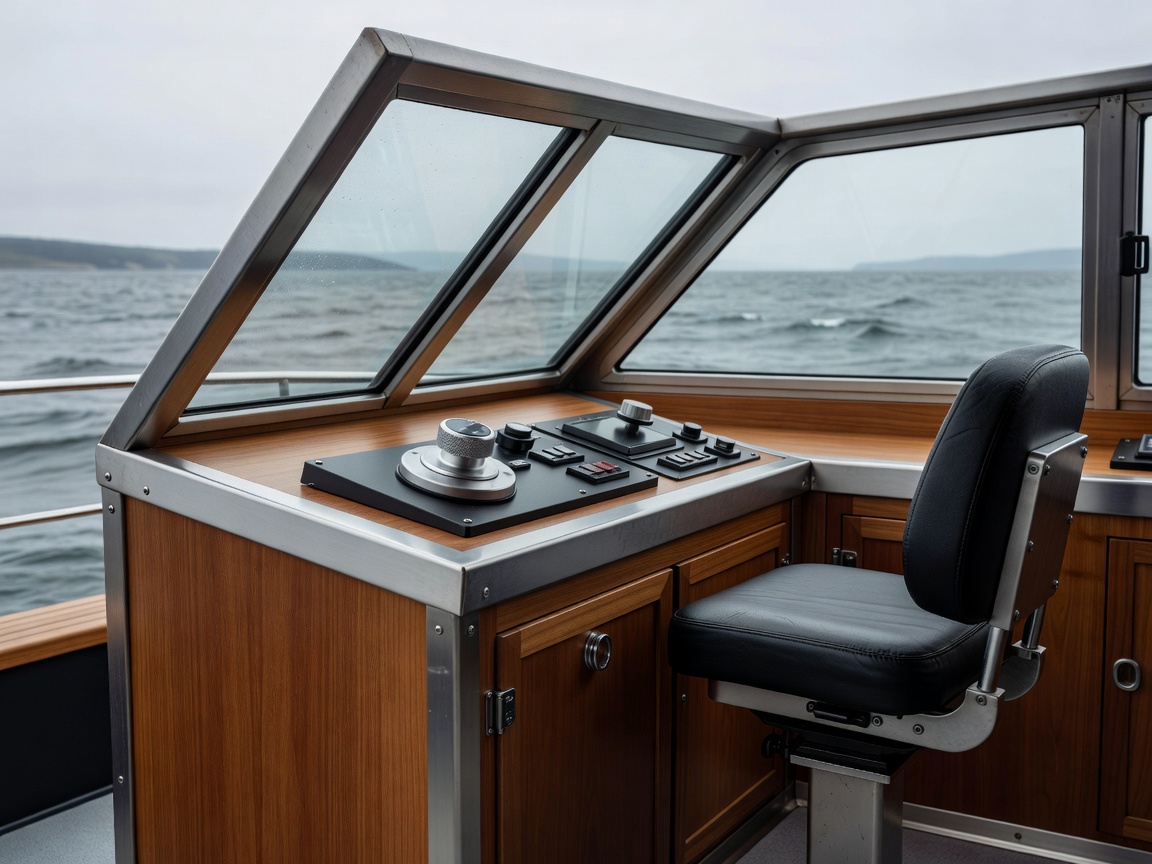
Solid-State Doppler Radar, AIS Class B+ & Dual Backbones
In thick sea fog over the Kattegat or twilight rain squalls, a single multifunction display (MFD) represents a single point of failure unless its underlying sensor bus is segmented. Well-engineered Nordic yachts separate propulsion telemetry (J1939 / engine CAN bus) from navigation instruments (NMEA 2000 / OneNet) via galvanic opto-isolators.
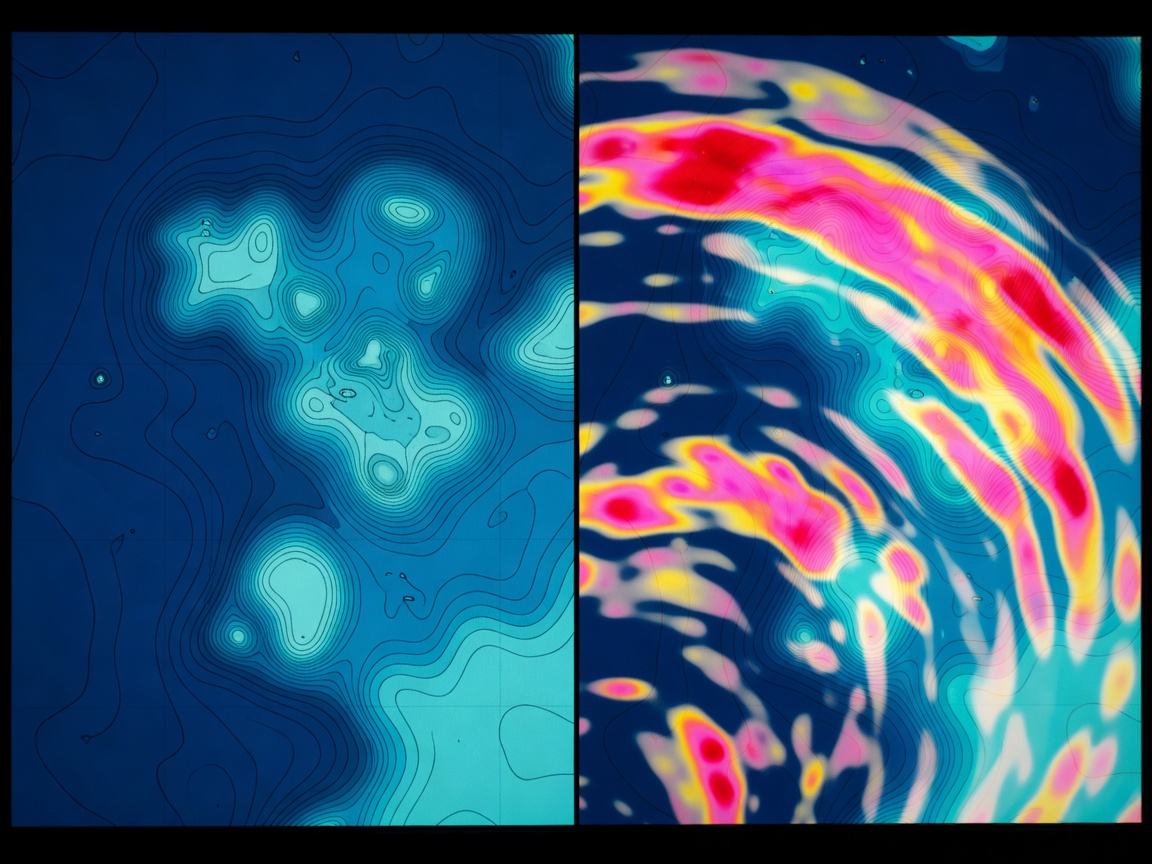
Pulse-compression solid-state Doppler radar domes mounted on gimballed mast brackets or pilothouse masts highlight closing targets in contrasting warm hues while simultaneously resolving narrow spar buoys at 50 meters range. High-output 5W SOTDMA Class B+ AIS transponders broadcast position updates every 5 seconds once vessel speed exceeds 14 knots.
- Compass ReferenceDual-Antenna GNSS Satellite Compass + Magnetic Card
- Night Adaptation635 nm Deep Red & Dimmable Amber Backlighting
- Emergency SteeringDirect-to-Rudder-Stock Chromed Bronze Tiller
Rod Steering, Progressive Cables & Autopilot Rams
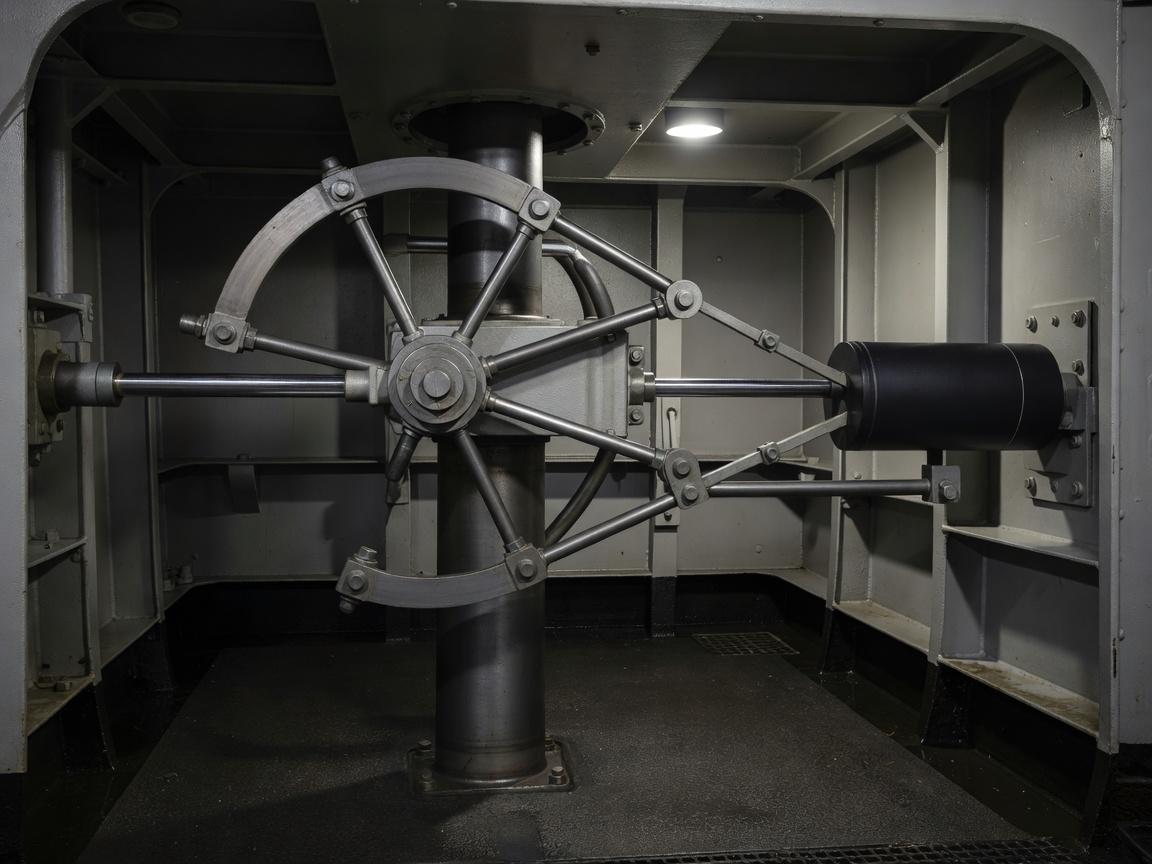
On a sailing yacht, the helm must transmit subtle hydrodynamic pressure changes across the rudder blade so the helmsman senses weather helm immediately. Many Scandinavian builders eschew hydraulic steering on sailing vessels in favor of mechanical rod linkage (such as Jefa or Lewmar torque tubes) running through self-aligning roller bearings directly to the rudder quadrant.
Meanwhile, linear mechanical or electro-hydraulic autopilot drive units attach to an independent tiller arm on the rudder stock. If a steering rod pin or wheel brake ever shears, the below-deck autopilot ram—and the emergency chromed tiller—remain fully operational and isolated from the pedestal failure.