Engineering: What the Hull Demands
Every decision made by a naval architect initiates a cascade of mechanical obligations. Widening the aft quarters increases form stability and creates volume for twin quarter-cabins, but it also lifts the stern disproportionately when the vessel heels, submerging the bow and requiring twin rudders to maintain steering grip.
Similarly, choosing a deep-V planing hull or an air-lubricated twin-step hull reduces vertical slamming accelerations in short Baltic chop, yet concentrates hydrodynamic lifting pressures along narrow chine flats and step transitions that must be reinforced against delamination.
Understand the Vessel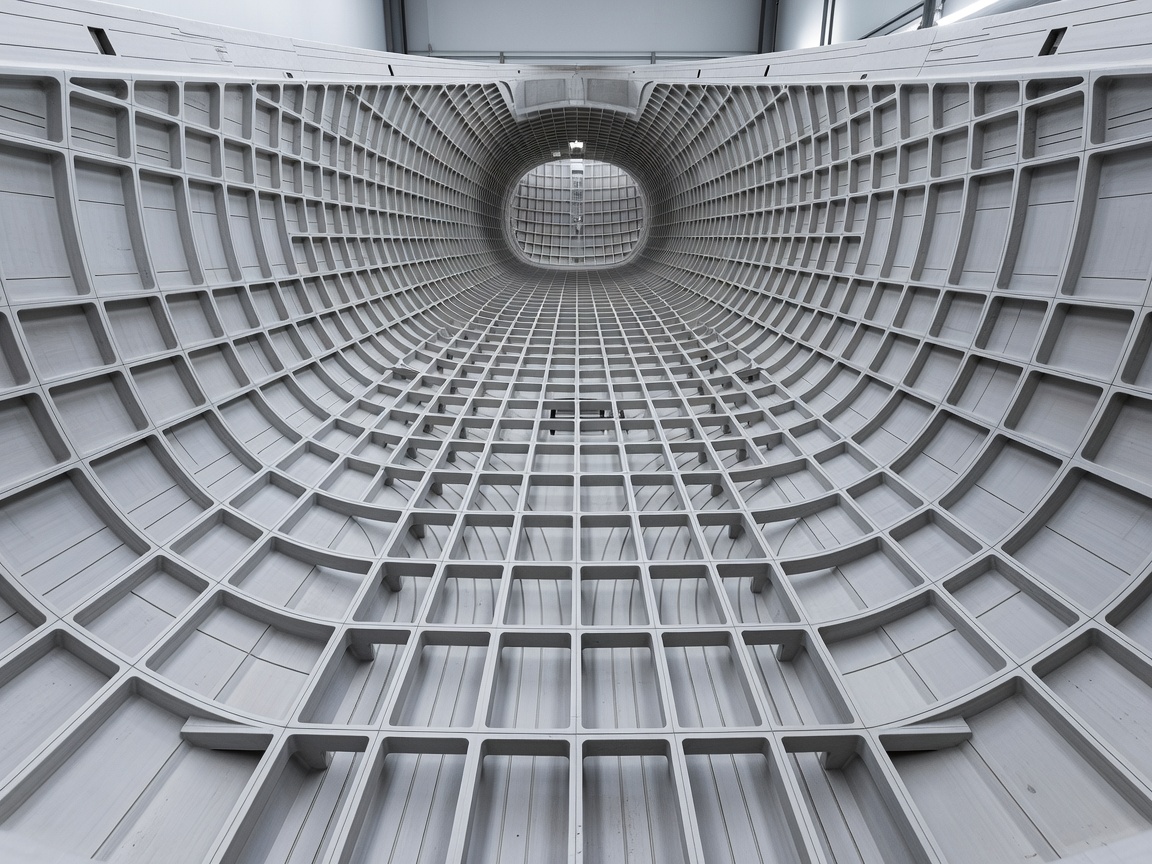
Vacuum Infusion, Cored Topsides & Solid Centerlines
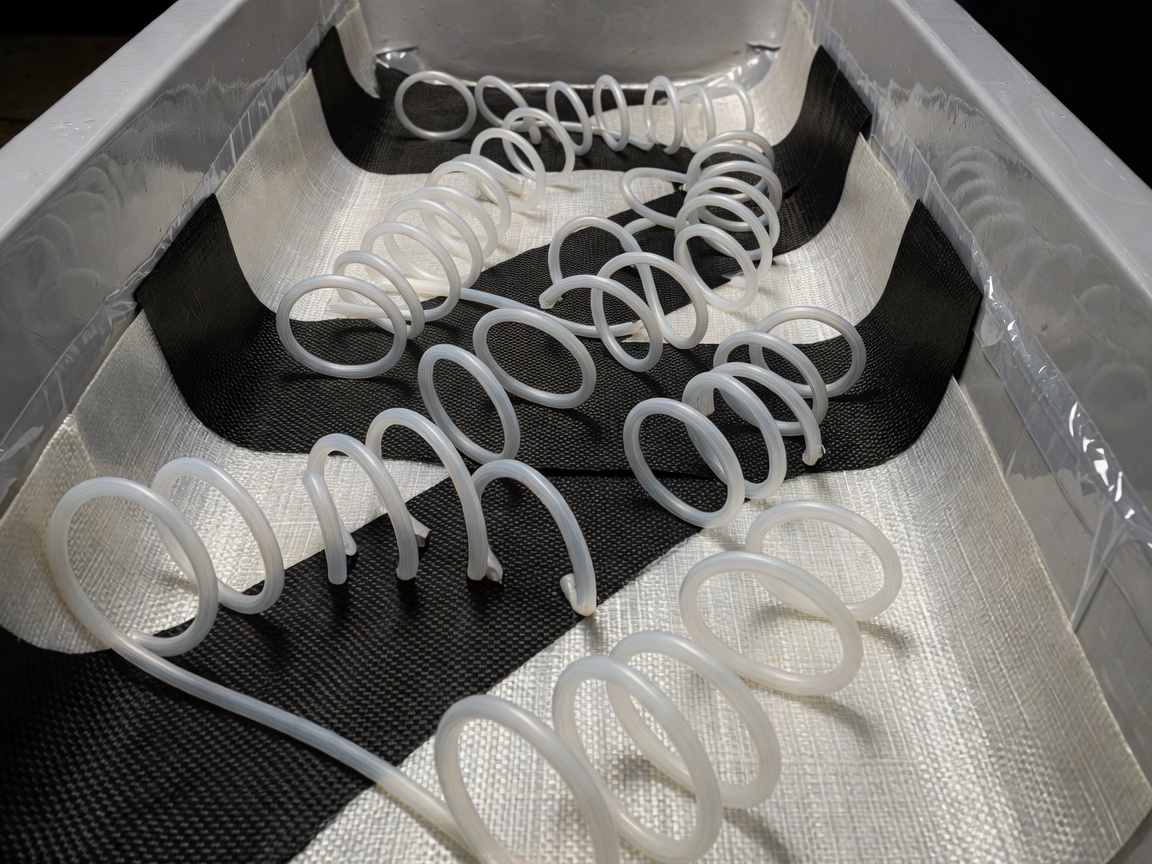
Modern Scandinavian composite hulls rely on Vacuum-Assisted Resin Transfer Molding (VARTM) using vinylester or epoxy resins paired with multi-axial stitched E-glass or carbon fabrics. Closed-cell PVC foam (such as Divinycell H-grade) provides high panel stiffness and built-in thermal and acoustic insulation along the topsides and deckhouse.
However, experienced Nordic engineers strictly taper out the foam core in high-stress zones—along the keel attachment shoe, around rudder stock tubes, beneath engine beds, and at every seacock penetration—transitioning to monolithic solid laminate so through-hull fittings can never compress the core or wick water laterally.
- Outer Barrier CoatNeopentyl Glycol (NPG) Gelcoat + Vinylester Skin
- Keel Bolt Backing316L Stainless or Galvanized Steel I-Beam Grid
- Seacock StandardFlush Bronze / Marelon on Solid Glass Bosses
Propulsion Trade-Offs: Shaft, Pod, Saildrive & Hybrid
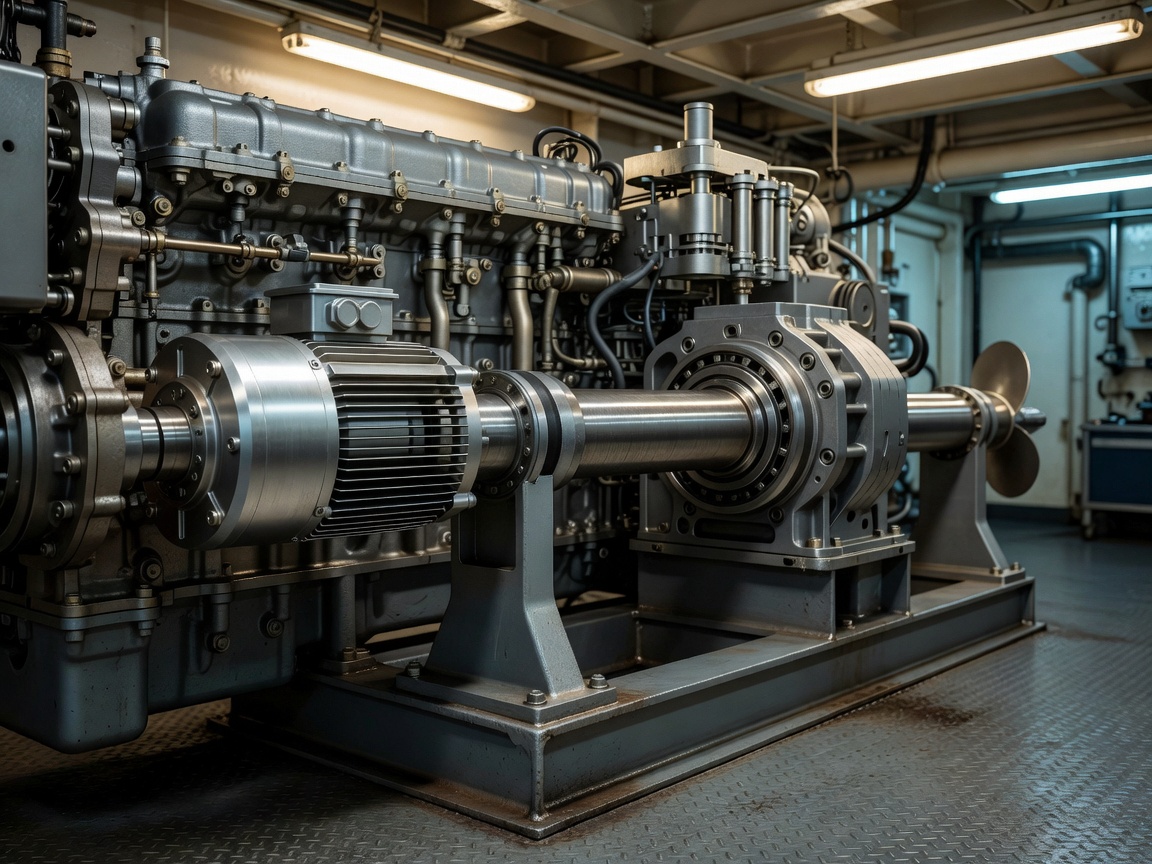
Sustainable propulsion in Nordic waters is evaluated through energy density, weight placement, and cold-weather reliability. A parallel diesel-electric hybrid system allows silent 6-knot entry into zero-emission Norwegian fjords (such as Geirangerfjord and Nærøyfjord) while retaining a mechanical diesel shaft for 25-knot open-water passages.
Yet battery banks carry unchanging mass whether full or depleted, unlike diesel fuel which lightens the vessel over a passage. Engineers must position high-voltage LiFePO4 modules low and close to the longitudinal center of gravity inside ventilated, IP67-rated aluminum enclosures with dedicated thermal runaway exhaust ducting.
Mechanical & Operational Consequences of Propulsion Systems
| Propulsion Architecture | Propulsive Efficiency | Machinery Space Footprint | Grounding & Debris Vulnerability | Maintenance & Seal Servicing |
|---|---|---|---|---|
| Straight Shaft with Skeg | Moderate (8°–12° shaft angle loss) | Longitudinal midship engine room | Low — propeller shielded by keel/skeg | Simple — dripless shaft seal serviceable afloat |
| Saildrive Leg (Sailing Yachts) | High (Horizontal thrust vector) | Compact — mounts directly behind engine | Moderate — exposed aluminum leg & folding prop | Requires haul-out for diaphragm replacement |
| Azimuth Pod Drive (IPS) | Very High (Forward-facing counter-rotating) | Aft transom — frees midship cabin space | High — forward props exposed to floating timber | Specialized yard tooling & oil seal checks |
| Parallel Diesel-Electric Hybrid | Dual-curve (Optimal at both 6 kt & 18 kt) | Requires dedicated battery & inverter locker | Depends on chosen shaft or saildrive output | Low mechanical wear; requires BMS diagnostics |
Hydronic Heating, Fuel Polishing & Raw-Water Chests
Cruising along the Norwegian coast or late-autumn Baltic skerries requires domestic engineering built around sub-zero air temperatures and 4°C seawater. Rather than relying solely on noisy forced-air blowers, larger Nordic yachts install diesel-fired hydronic water boilers (such as Kabola, Webasto, or Eberspächer) circulating heated glycol through perimeter fin-tube convectors placed behind settee backrests.
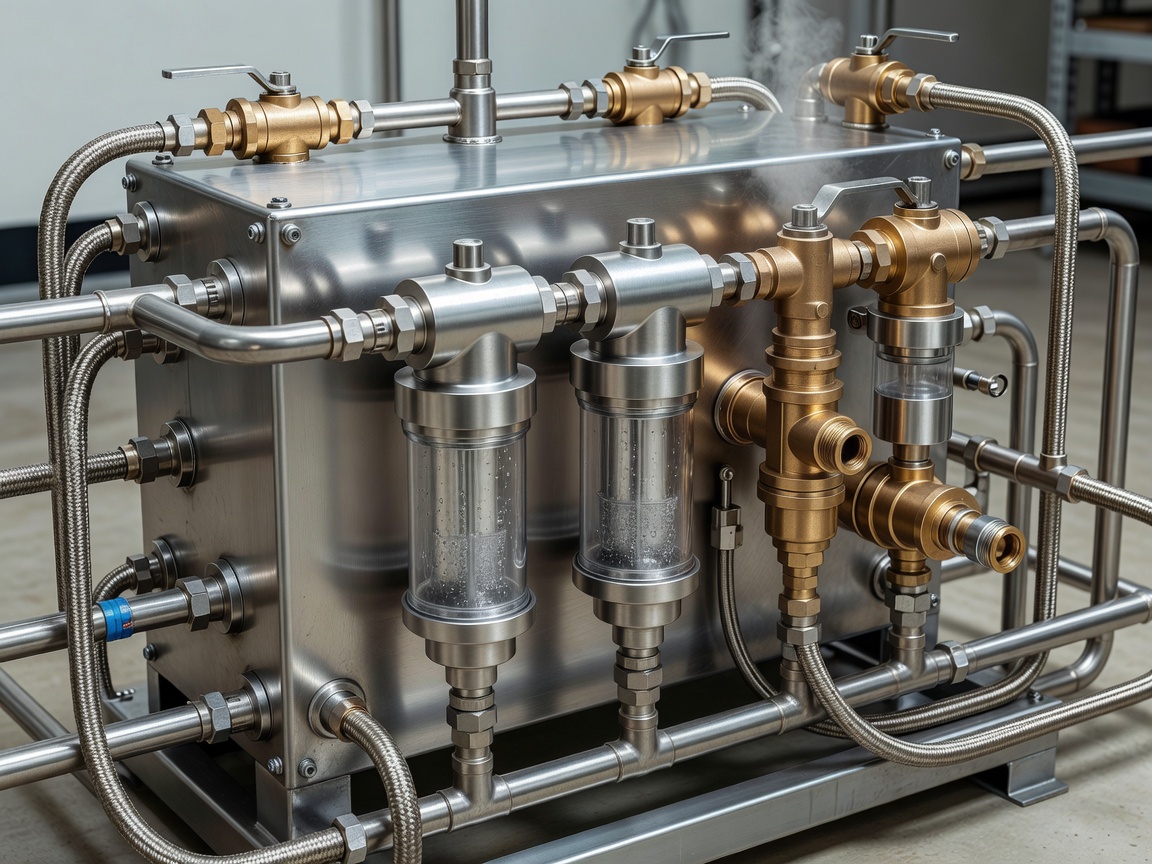
This rising curtain of warm air eliminates condensation on hull sides and keeps cabin soles dry. Simultaneously, twin Racor or Separ duplex fuel filters allow the watchkeeper to switch from a clogged primary filter element to a clean secondary element with a single valve turn while the engine continues running in a narrow rock channel.